What is a Branded Checkout - and Why It Builds Customer Trust
Imagine that a buyer clicks the “buy” button on your website, fully convinced by your marketing campaigns and excited to finalize their purchase. Then, they are suddenly redirected to a webpage with no logo or completely different fonts, or the one hosted on an entirely unfamiliar third-party domain. This immediately raises questions and hesitation for the customer. Right at the most critical moment, when they are asked to enter sensitive financial date and authorize the transaction, the secure environment they trusted has suddenly vanished. The momentum you worked so hard to build through advertising, product visuals, social media presence and storefront design hits a sudden wall of doubt, heavily impacting your return on ad spend.
For e-commerce merchants, event organizers, and independent creators, maintaining a cohesive look and feel throughout the entire buying journey is a fundamental requirement for business sustainability. A branded checkout resolves this kind of problems by bridging the visual and psychological gap between browsing and buying, keeping the customer focused, comfortable, and confident enough to complete the transaction.
What is a branded checkout?
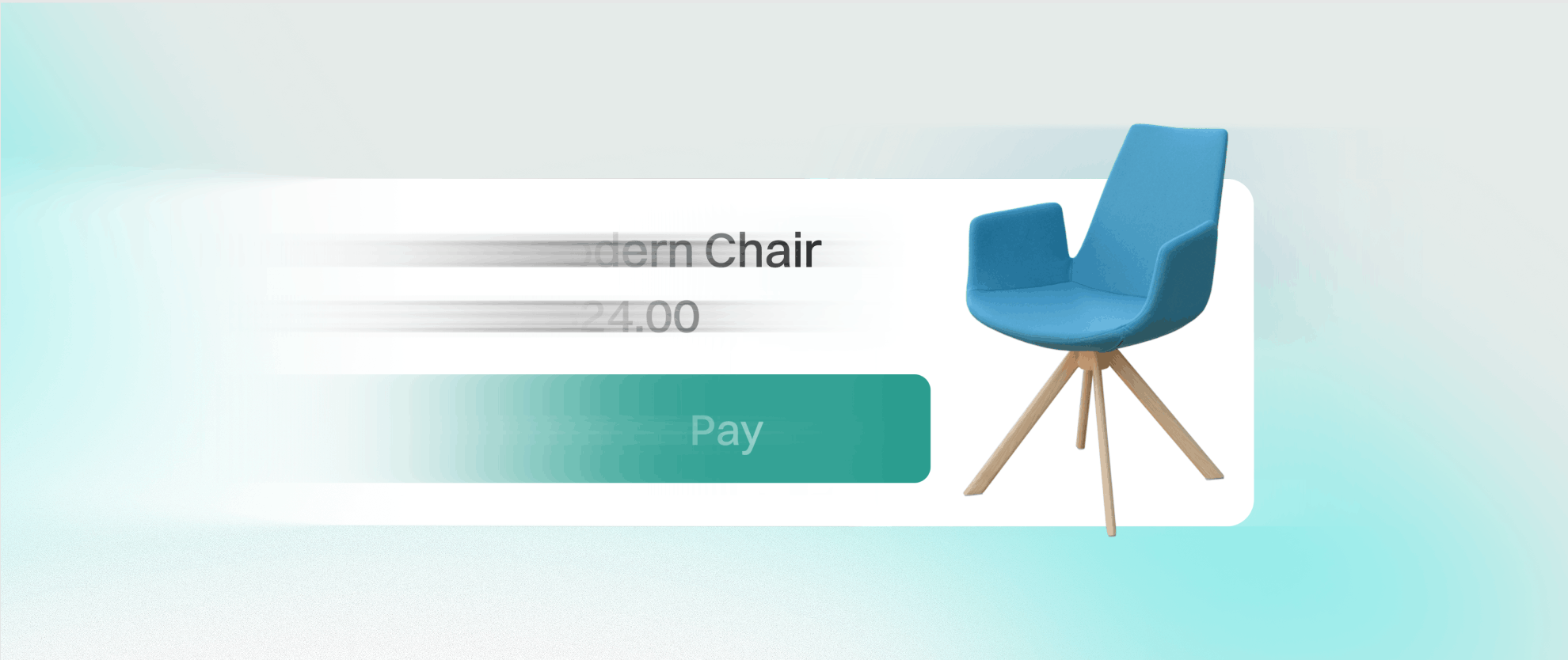
So, exactly what is branded checkout from a functional business perspective? In the simplest terms, this is a checkout page that contains your logo, colors, and other core elements of your distinct brand identity integrated directly into the payment flow. When a customer moves from their pre-checkout stage, for example a cart, to the final payment screen, the environment remains visually consistent with the rest of your sales funnel. The header, button styles, legal notices (terms and conditions) and background tones all mirror the main point of contact (a webpage, a store, a social media handle), creating a closed-loop environment that feels native to the customer.
However, true checkout branding is not limited to design and visual aesthetics alone. A full customizable and branded checkout page benefits e-commerce operations heavily because the custom domain of the company should preferably also be there, persisting from the initial contact till the thank-you (order confirmation) page. Rather than pushing hard-earned traffic to a generic link like thirdpartyprocessor.com/payments/..., the customer remains on a custom domain checkout they recognize, like secure.yourbusiness.com. This unbroken chain of identity reassures buyers that they are dealing directly with your business entity rather than being handed off to an unknown intermediary. It encompasses everything from matching typography and button styles to customized input fields and tailored messaging. Ultimately, a custom checkout page creates a cohesive environment where the merchant retains complete control over the visual presentation and the technical environment, ensuring that the customer’s transition from browsing products to finalizing the transaction is logical, familiar, highly professional, and optimized for maximum sales throughput.
Why branded checkout matters for conversion
The impact of checkout branding goes far beyond surface-level aesthetics. It directly influences your bottom line through measurably improved conversion rates and reduced customer acquisition costs. According to a research from the Baymard Institute (via FastSpring), 19% of buyers in the USA abandon their purchase due to lack of trust, and simply will share their payment data with any site that looks suspicious or disjointed.
The psychology behind this behavior is straightforward and branded checkout page benefits for ecommerce are measurable. The gap between the pre-checkout stage and the payment page right before the money is taken ruins trust. Even if your social media campaigns are flawless, the storefront is highly optimized, or an engaging email newsletter brings a ready, ‘hot,’ and paying customer to your site, a misaligned payment page can instantly cause buyers to rethink the transaction and cool down. Focus on trust at the checkout stage increased conversions of one retailer who was a part of the study by WPFastestCache (via FastSpring) by an astounding 220%. This metric alone demonstrates how incredibly sensitive buyers are to the specific environment where they leave their financial data.
Furthermore, without the branded (custom) domain, buyers on the checkout will spot a sudden change of the URL (a redirect). Data from Blackbelt Commerce highlights that this specific disruption contributes to anxiety and increases the risk of checkout abandonment, especially on mobile devices where page load times during redirects can leave buyers staring at a blank screen. When consumers are forced to navigate away from the brand they know to a generic gateway, the resulting cognitive friction causes hesitation. Maintaining your brand identity right up to the final click eliminates this friction and protects your revenue. Elements of the 'trust stack' (custom domain, SSL, badges, social proof), in total, may increase checkout conversion rates by 15-25% from the baseline, Blackbelt Commerce concluded.
Branded checkout vs generic/hosted checkout
When configuring a payment flow, merchants typically choose between a generic hosted checkout and a branded setup. A generic hosted checkout uses a standard domain that usually belongs to a payment processor or an e-commerce platform. It usually features a typical design, a simplistic layout, a standard (default) shipping form, and a pre-defined set of fonts and color patterns that the merchant may not always easily alter. This first option can work perfectly well when a quick roll out is needed. If you are launching a minimum viable product or running rapid market tests where speed to market is the absolute priority, a generic solution gets you processing payments, getting the data and the signals you need immediately without extensive configuration.
In contrast, a custom checkout page utilizes your own own domain, brand identity, specific brand colors, chosen fonts, and tailored social proof to create a unique, highly controlled environment. This second option is an absolute must for established brands that need to protect their market positioning and ensure high consumer confidence at scale, as generic layouts simply cannot accommodate the nuanced branding required by premium retailers. It is equally important for ambitious starters who are ready to put effort into the buying experience in search of a higher average order value right from the beginning. While generic checkouts conseal your identity at the most crucial moment of the sale and force your customers into a one-size-fits-all box, customized versions reinforce your core value proposition, making the transaction feel premium, secure, and fully native to your store's unique ecosystem.
Who needs a branded checkout the most
While consistency benefits all businesses, specific merchant categories rely on customized payment flows to maintain their operational success and preserve their profit margins. We, at Checkify Plus, have identified and categorized several groups of such online sellers.
- E-commerce brands of any size and volume that are building loyalty require a visually cohesive payment experience to encourage repeat purchases and maximize customer lifetime value. Customers returning to buy apparel, cosmetics, or electronics expect a secure and friendly environment that matches the premium nature of the physical products they are purchasing. Providing a consistent visual journey ensures that their ongoing brand loyalty is rewarded with a safe, familiar, and frictionless transaction process every single time they order. Even when merchants integrate familiar payment methods like PayPal Branded Checkout to capture buyers who prefer wallet-based payments, housing the payment-related elements within the own custom domain, layout, and colors prevents the store from feeling like a disconnected payment portal.
- Event-organizers also heavily depend on these tailored solutions, and you may use as an example platforms like TicketLeap or Eventbrite to show why it is important for their business. Ticket buyers are often purchasing high-priced access to highly anticipated, emotional experiences, meaning any visual disconnect between the colorful event promotion site and the final ticketing page can cause immediate panic. By keeping the checkout flow tightly branded with the event's imagery and domain, organizers prevent the transaction from feeling like a fraudulent third-party resale, thereby securing the ticket revenue.
- Creators and experts who sell under their own name must utilize these tools because their personality equals their business, which essentially equals their personal brand. If a popular influencer, author, or industry expert hands a loyal follower off to a plain, unbranded payment gateway to purchase a digital course or consulting package, it severely dilutes the deeply personal connection that drove the initial sale. Keeping the checkout firmly rooted in their unique visual identity validates the premium nature of their offering and reassures the follower that they are supporting the creator directly.
What makes a checkout feel 'branded' - key elements
Creating a highly effective custom checkout page requires assembling several specific components that function together to reassure the buyer.
- First and foremost is the custom domain for checkout and order confirmation pages. Keeping the buyer on a URL associated with your primary website rather than redirecting them to a third-party processor prevents the anxiety of sudden shifts in the browsing environment, anchoring the entire transaction in a familiar digital space.
- Secondly, you must prominently feature your logo and brand colors. The visual transition from the shopping cart should be essentially invisible; the exact hex color codes used on your homepage should dictate the background, primary button colors, and accent highlights on the payment form.
- Thirdly, consistent typography and text copy are vital. If your storefront uses a specific modern font, your tone of voice requires non-default, custom words, payment fields, order summaries, and shipping labels should match perfectly, rather than defaulting to generic system fonts or very sophisticated words and terms that look out of place.
- Fourthly, presenting security signals on payment pages is highly effective. As mentioned above, elements of the 'trust stack' (custom domain, SSL, checkout trust badges, social proof) contribute to checkout completion. Placing recognizable security icons, like padlock symbols or encrypted payment logos, reassures buyers that their data is protected from interception and the checkout process is secure.
- Finally, a custom thank-you page completes the sequence. After the payment is processed, the customer should land on a tailored confirmation page that celebrates the purchase, reinforces the checkout branding, and provides clear order tracking details, ensuring the positive experience continues even after the transaction is complete.
How to set up a branded checkout with Checkify Plus
Building this kind of optimized environment does not require hiring a team of software engineers or spending many days writing custom code. Solutions like Checkify help building a tailored payment flow while doing it in a secure and intuitive dashboard.
To begin, you can connect own domain for product, checkout and thank-you pages, ensuring the URL remains consistent and professional throughout the entire process. Next, you may add logo, trust icons, and security badges to the layout, positioning them exactly where they will have the maximum impact on buyer confidence. Nexta, you adjust colors to match your exact brand palette, ensuring the buttons and backgrounds mirror your main website, and change fonts and wordings to align perfectly with your store's existing typography and tone of voice.
You can also add social proof, such as customer testimonials or recent purchase notifications, directly onto the payment page to encourage completion and validate the buyer's decision. Once the checkout is ready adjust the thank-you page too, but mainly, a change for the checkout stage will be equally applied to other pages by Checkify, so no double work and unnecessary effort are expected from the merchant. Everything remains automatically synchronized across the entire buyer journey, saving hours of manual formatting.
Ok, ready, in minutes, with no dev or in-depth tech or coding skills required. This streamlined setup allows business owners to focus their energy on core marketing strategies and product development while easily maintaining a high-converting, professional payment infrastructure.
{{CTA}}
FAQs:
Q: What is a branded checkout?
A: A branded checkout is a payment page that keeps a company's logo, colors, and (ideally) domain visible throughout checkout, instead of redirecting to a generic third-party page.
Q: Does branded checkout really increase conversions?
A: Yes - trust signals like consistent branding and a custom domain have been linked to conversion increases of 15-25% or more in checkout-focused optimization studies.
Q: Do I need a developer to set up a branded checkout?
A: Not with a no-code checkout platform - branding elements like logo, colors, and custom domain can typically be configured in a dashboard within minutes.
Q: Is branded checkout only for large e-commerce brands?
A: No - it matters just as much for event organizers, creators, and small businesses, since customer trust in payment pages isn't limited by company size.
Conclusion
Retaining buyer trust all the way through the buying journey is one of the most reliable ways to protect your marketing spend and secure completed orders. When every detail, from the custom domain down to button colors and typography, aligns with your business identity, customers proceed with confidence and turn into real and loyal buyers. To see how these elements work in real time without setting up an account you may also view the interactive Demo mode on Checkify Plus.